
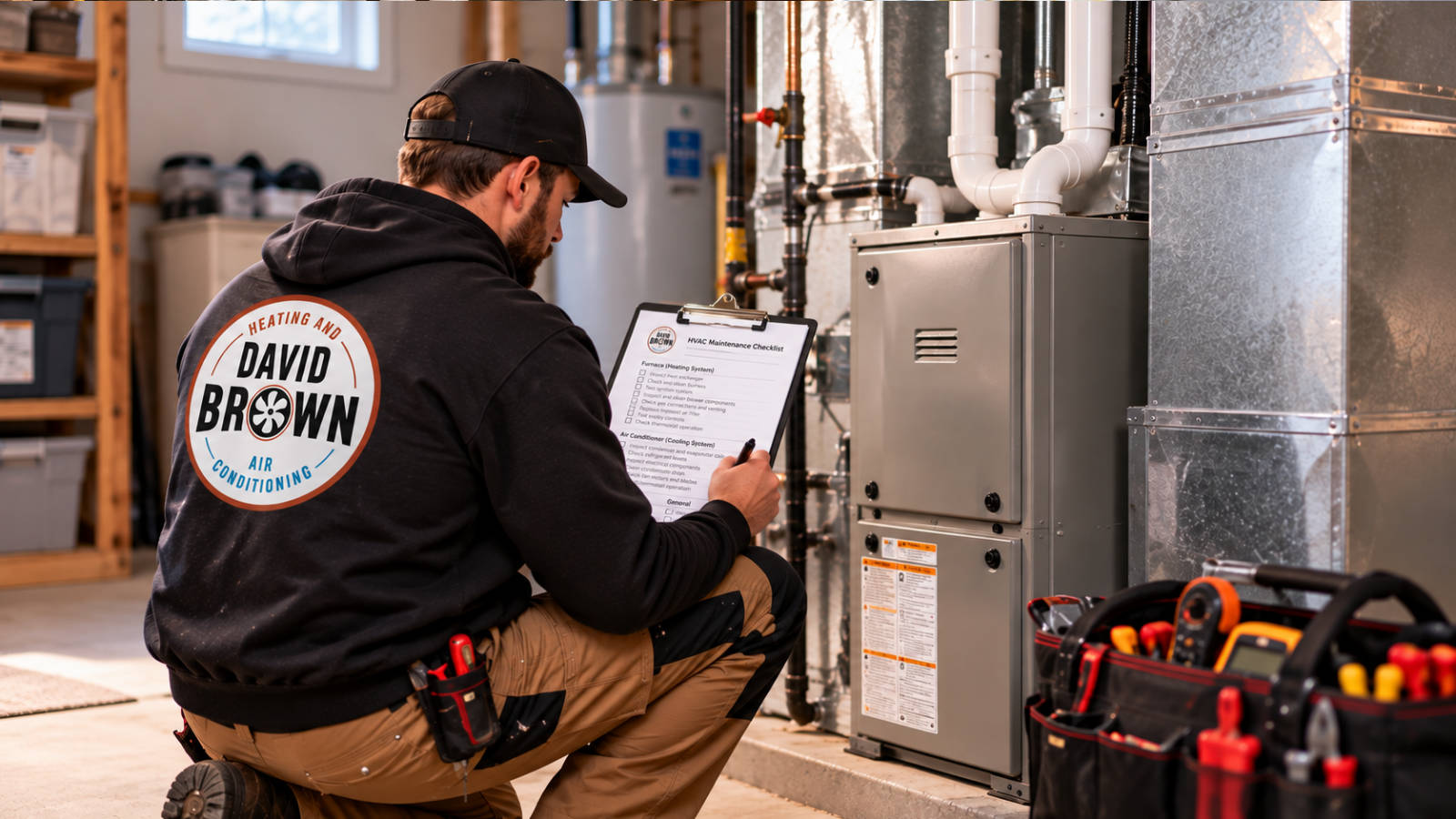
Your furnace works hard all winter, and your air conditioner gets its turn during the summer. Most of the time, you probably don’t think much about either one until something stops working.
That’s where regular maintenance comes in.
An HVAC maintenance plan can help you stay on top of routine service, catch small problems early, and keep your heating and cooling equipment working properly.
But not every maintenance plan offers the same services. Some include seasonal inspections and cleaning, while others offer repair discounts, priority scheduling, or additional benefits.
So, how do you know whether you’re getting a good deal?
Let’s look at what a good HVAC maintenance plan should include and what you should ask before signing up.
What Is an HVAC Maintenance Plan?
An HVAC maintenance plan is an agreement between you and a heating and cooling company for regular service on your equipment.
Instead of remembering to book furnace maintenance in the fall or air conditioner maintenance in the spring, you have a plan in place to help keep things on schedule.
Most plans include one or more service visits each year. Depending on the agreement, you may also receive discounts on repairs or other benefits.
The goal is to keep your equipment running safely and efficiently while reducing the chances of an unexpected breakdown.
Regular maintenance can’t prevent every repair, but it can help identify worn parts and developing problems before they become more serious.
1. Seasonal Furnace and Air Conditioner Inspections
One of the most important things to look for in an HVAC maintenance plan is regular seasonal service.
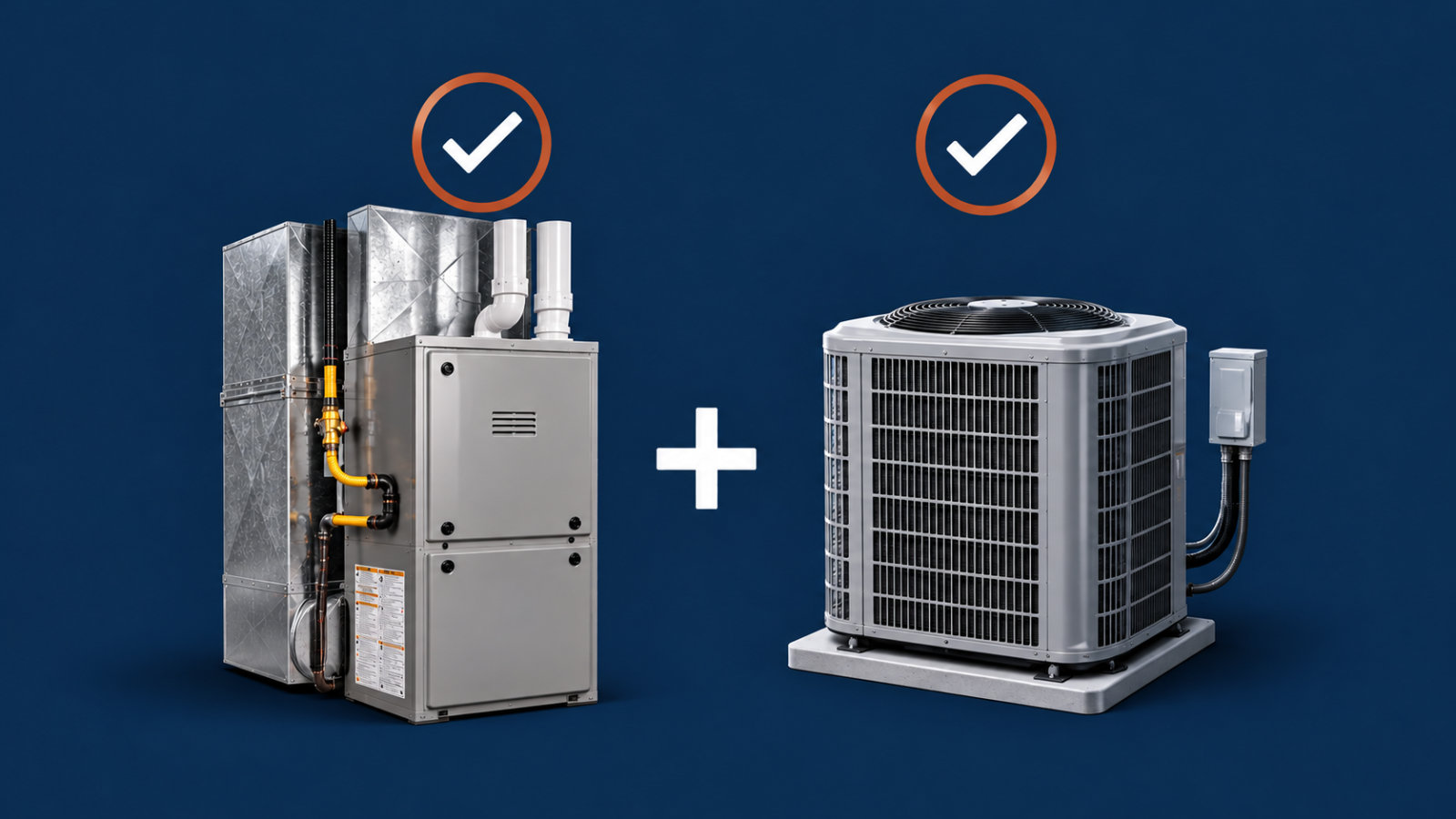
Your furnace and air conditioner do different jobs, and each needs its own inspection.
Ideally, your furnace should be checked before the heating season, and your air conditioner should be serviced before summer.
During a furnace maintenance visit, a technician may inspect the burners, ignition system, heat exchanger, blower, safety controls, and venting system.
For air conditioning, the inspection may include checking the outdoor coil, electrical connections, refrigerant system, condensate drainage, and overall cooling performance.
These visits help us spot issues that homeowners might not notice until the equipment stops working. Natural Resources Canada also recommends regular heating and cooling system maintenance to help keep equipment operating efficiently.
Before enrolling, ask whether the plan includes both heating and cooling equipment or only one system.
2. Cleaning and Routine Maintenance
An inspection is important, but checking the equipment is only part of the job.
Your HVAC maintenance plan should clearly explain what cleaning and routine maintenance are included.
Depending on the equipment, this might involve cleaning certain components, checking the condensate drain, inspecting the blower, and making adjustments where needed.
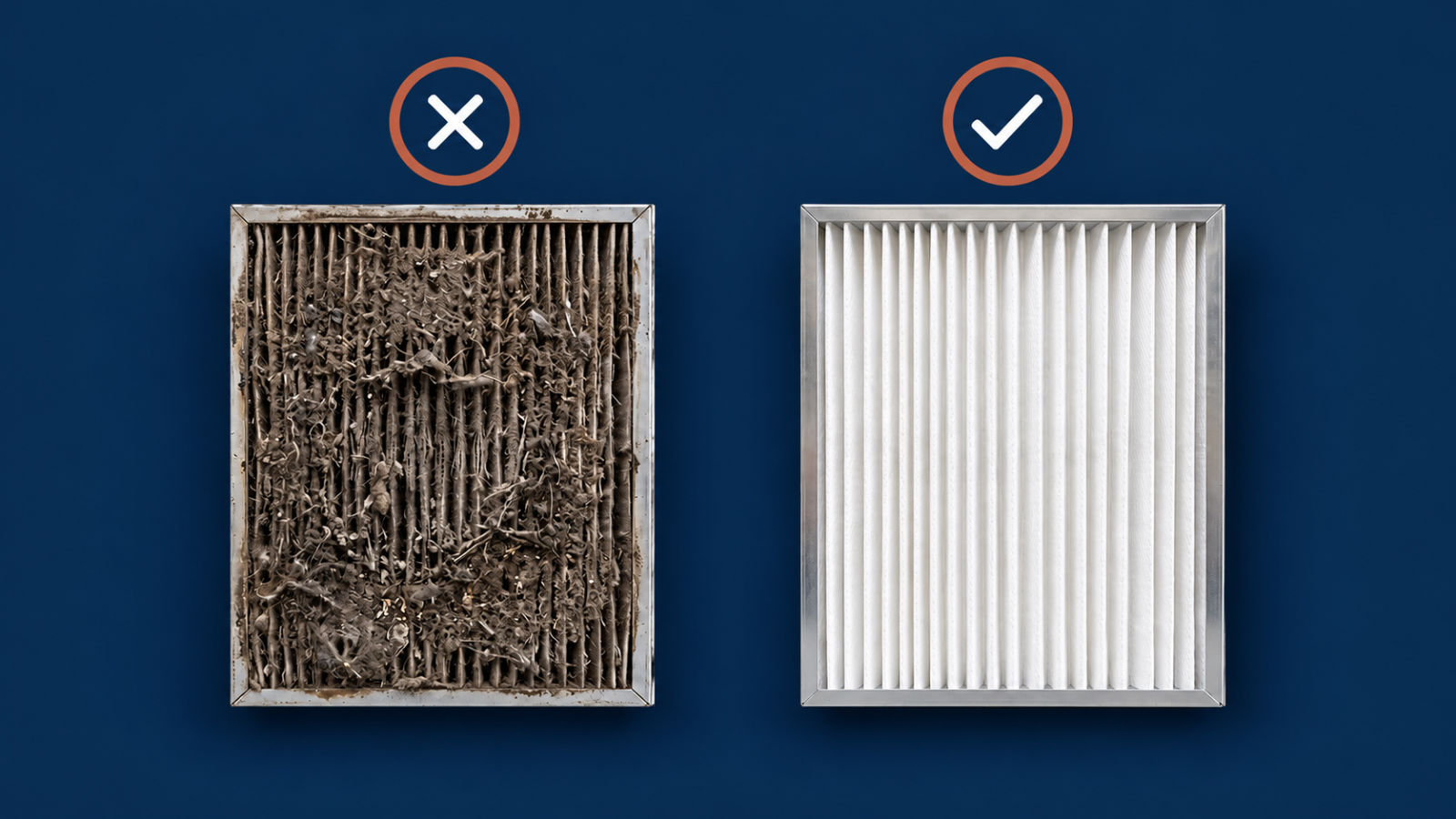
Your technician should also check the air filter and let you know if it needs replacing.
The ENERGY STAR heating and cooling maintenance checklist is a helpful reference for understanding what routine professional maintenance may involve.
Keep in mind that some plans include basic cleaning but charge extra for more involved work.
For example, a standard maintenance visit may not include duct cleaning, major coil cleaning, or replacing worn components.
It’s worth asking exactly what the technician will do during each visit so you know what you’re paying for.
3. Safety Checks and System Testing
Your heating and cooling equipment should do more than keep the house comfortable. It also needs to operate safely.
A good HVAC maintenance plan should include checks of the safety controls and important operating components.
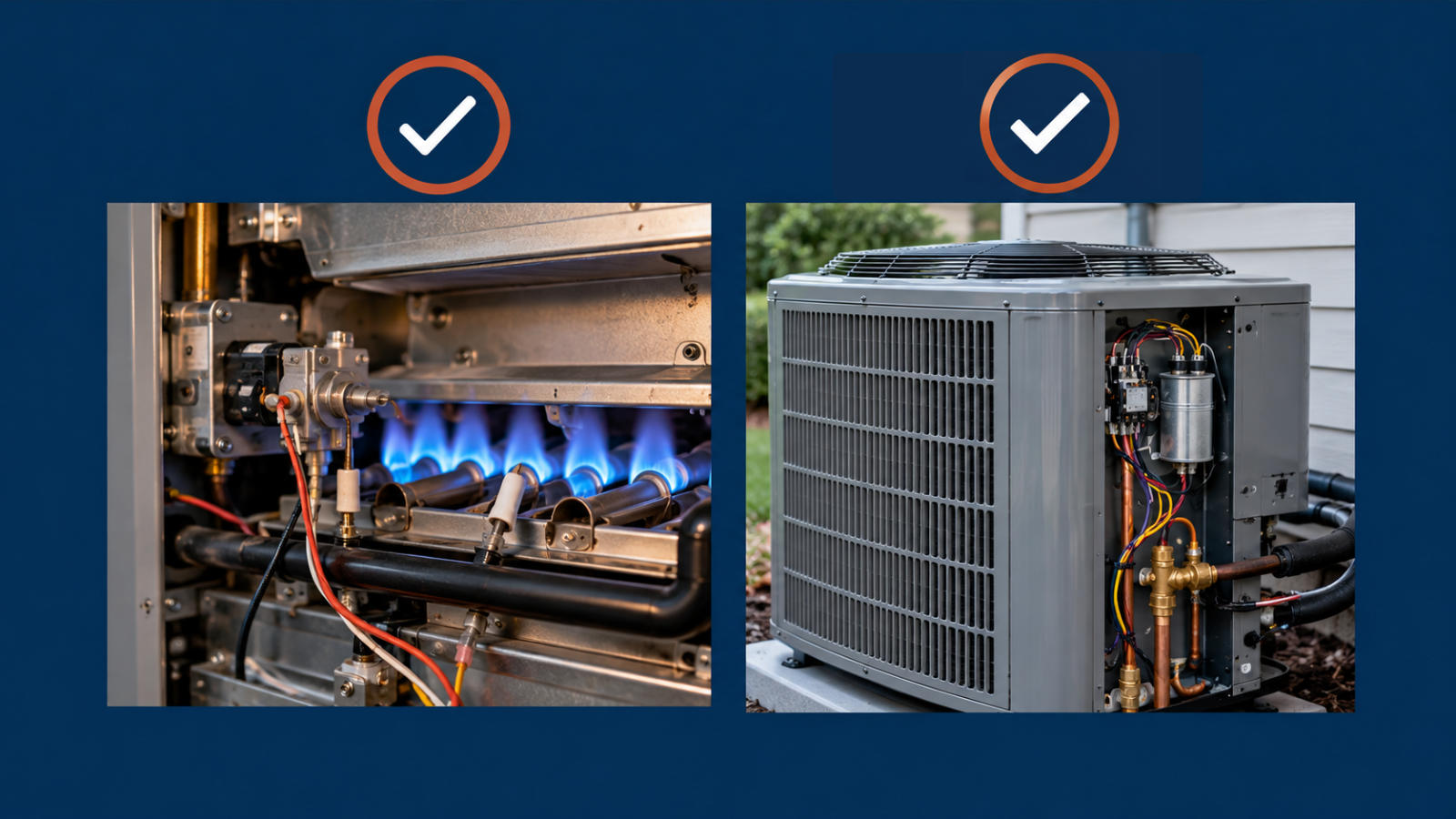
For a gas furnace, this may include checking the ignition system, flame sensor, gas connections, heat exchanger, and venting.
The technician should also confirm that the furnace starts, runs, and shuts down as it should.
Air conditioners and heat pumps have electrical components and controls that need attention, too.
These checks are important because some problems aren’t obvious during normal operation.
You might still have heat coming from your vents even though a component is beginning to fail.

4. Priority Scheduling When You Need Repairs
Nobody wants their furnace to quit during a January cold snap.
Some HVAC maintenance plans offer priority scheduling, which means members receive earlier available appointments than customers without a plan.
This can be a useful benefit when heating and cooling companies are especially busy.
However, priority scheduling doesn’t always mean same-day service or emergency service.
Before signing up, ask what priority scheduling actually means. Find out whether it applies to regular appointments, urgent repairs, or both.
You should also ask whether after-hours, weekend, and holiday service are included or charged separately.
A clear answer now can prevent confusion later.
5. Discounts on Repairs and Replacement Parts
Another common benefit of an HVAC maintenance plan is a discount on repairs.
Some companies offer a percentage off labour, parts, or both. Others provide reduced diagnostic fees or special pricing on certain services.
These discounts can be helpful, especially if you have older equipment that may need repairs from time to time.
However, it’s important to understand what qualifies.
For example, a repair discount might apply to labour but not replacement parts. Some plans may also exclude major repairs or certain equipment.
Ask whether discounts can be combined with other offers and whether there are limits on how much you can save.
You want to know what the plan actually covers before you need to use it.
6. Equipment Coverage and Exclusions
This is one area where homeowners should pay close attention.
An HVAC maintenance plan is not necessarily the same thing as an equipment warranty or repair protection plan.
Regular maintenance usually covers inspections, cleaning, and basic adjustments. It doesn’t automatically mean that repairs or replacement parts are free.
Some agreements offer additional coverage, but others don’t.
Before signing anything, check which equipment is included. If you have a furnace, air conditioner, heat pump, humidifier, or other HVAC equipment, don’t assume the plan covers all of them.
You should also ask about exclusions.
For example, some plans may not cover refrigerant leaks, major component replacements, emergency calls, or equipment that already has problems.
A good company should be able to explain these details in everyday language.
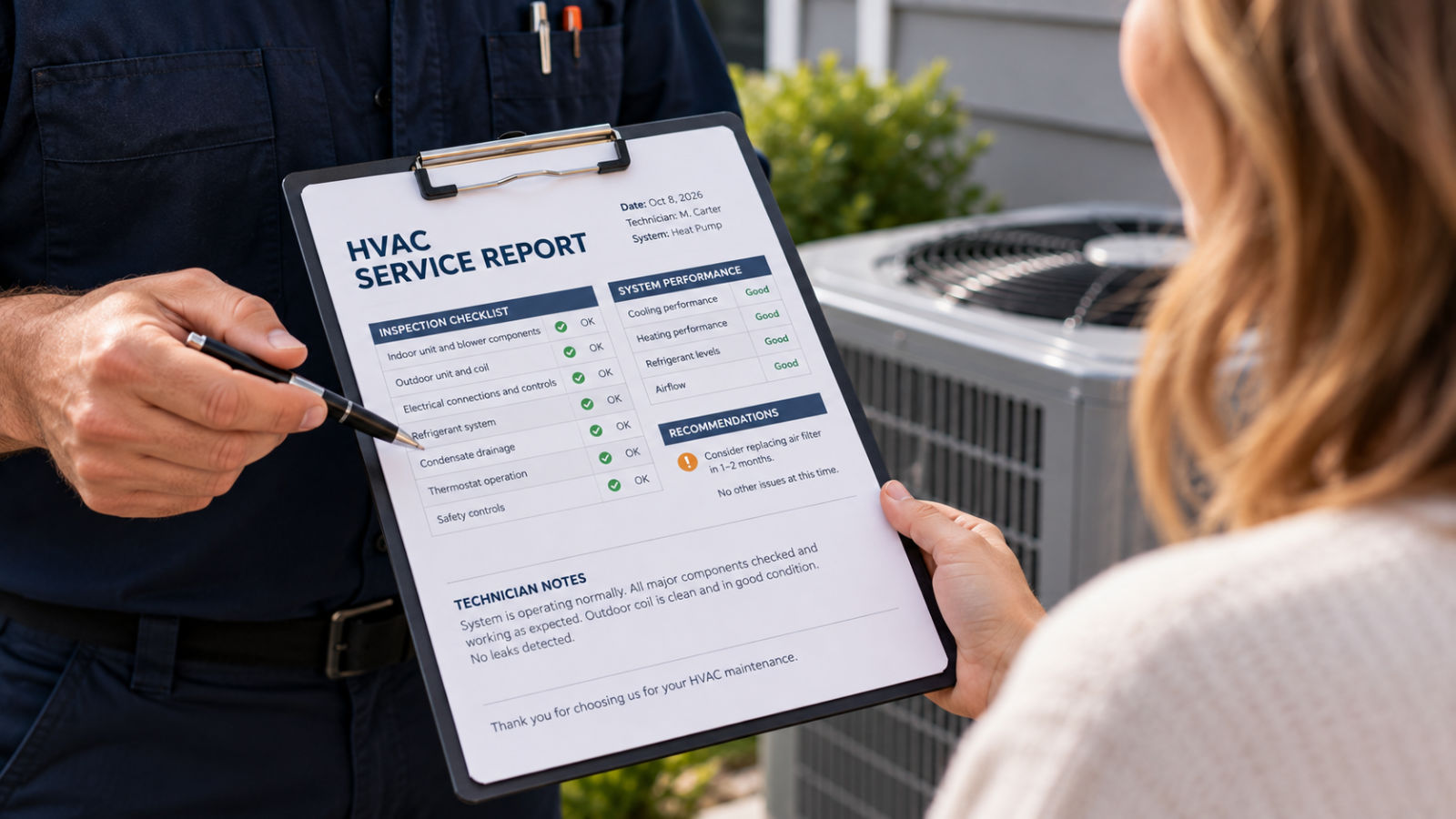
7. A Written Service Report After Each Visit
After a maintenance appointment, you should have a clear idea of how your equipment is doing.
A written service report can help with that.
The report should explain what was inspected, whether any problems were found, and what repairs or maintenance might be recommended.
It can also help you keep track of your equipment’s service history.
This becomes especially useful as your furnace or air conditioner gets older.
If the same problem keeps coming up, your technician can look at previous visits and see what has already been checked or repaired.
Keeping maintenance records may also help you meet the service requirements in your equipment warranty.
How Much Does an HVAC Maintenance Plan Cost?
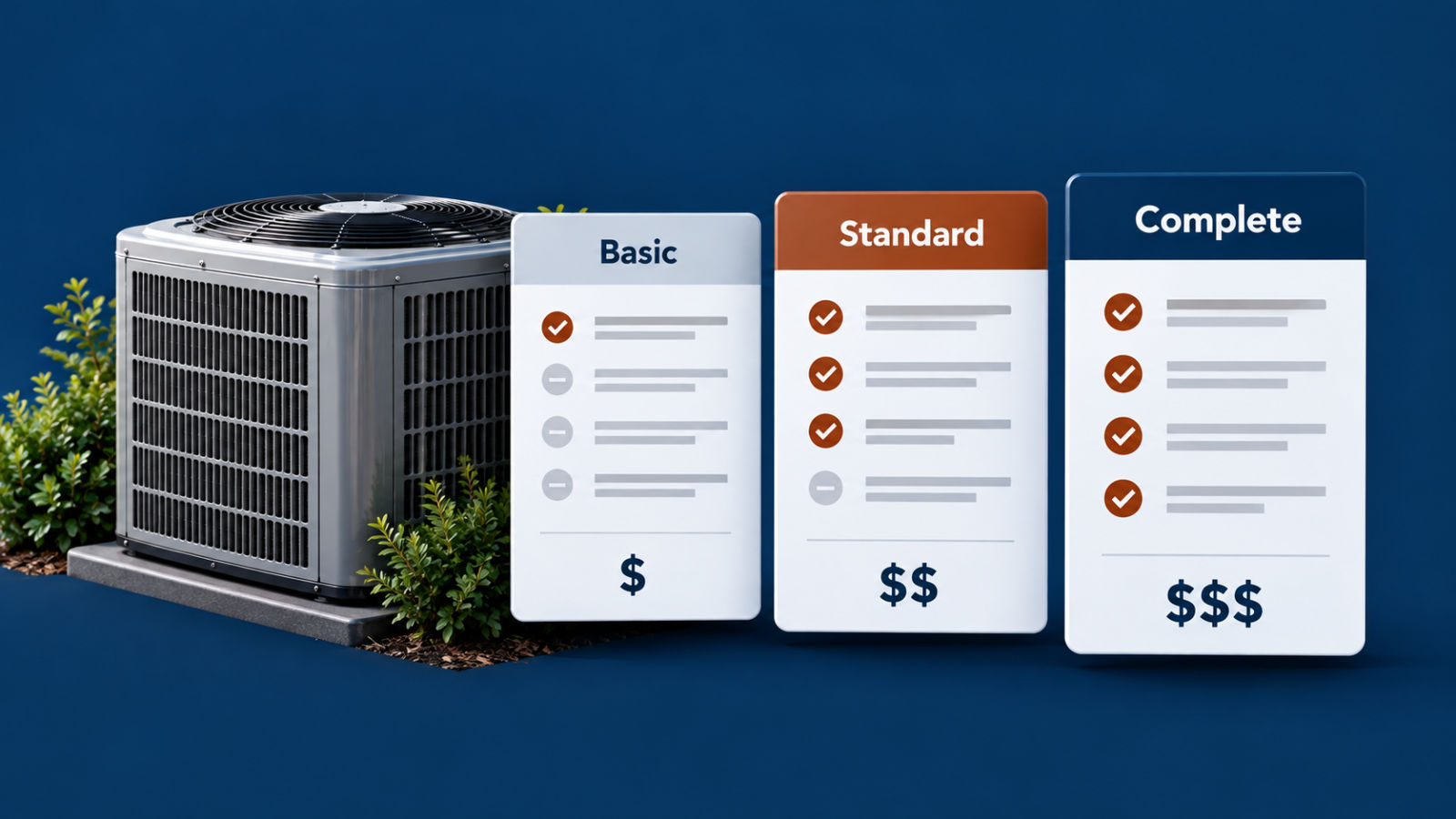
The cost of an HVAC maintenance plan depends on the company, the equipment being serviced, and the benefits included.
A basic furnace maintenance plan may cost less than an agreement covering both heating and cooling systems.
Plans with repair discounts, priority scheduling, or additional coverage may cost more.
Instead of choosing the lowest price, look at what you’re getting.
A cheaper plan isn’t necessarily a better deal if it only includes a quick inspection and charges extra for most services.
Ask for the total annual cost, whether taxes are included, and whether there are any additional fees.
You should also find out whether the agreement renews automatically and what happens if you decide to cancel.
Questions to Ask Before Signing Up
If you’re comparing maintenance plans, a few simple questions can help you make a good decision.
- How many maintenance visits are included each year?
- Does the plan cover both my furnace and air conditioner?
- What inspections, cleaning, and adjustments are included?
- Are replacement filters, parts, and repairs extra?
- What does priority scheduling mean?
- Are there discounts on repairs or replacement equipment?
- Are there any exclusions or cancellation fees?
- Will I receive a written report after each visit?
You shouldn’t need to read through pages of complicated wording to understand what you’re buying.
A good HVAC company should be happy to explain the plan and answer your questions.
Is an HVAC Maintenance Plan Worth It?
For many homeowners, an HVAC maintenance plan is a convenient way to stay on top of equipment care.
It’s easy to forget about furnace maintenance when everything is working properly. The same goes for your air conditioner during the cooler months.
Having a regular service schedule takes some of that responsibility off your plate.
It also gives a technician the chance to check your equipment before the busiest heating and cooling seasons.
That doesn’t mean you’ll never need a repair. But keeping your system maintained can help it run efficiently, support its working life, and reduce the risk of avoidable problems.
Keep Your Heating and Cooling Equipment in Good Shape
At Dave Brown Heating & Cooling, we know homeowners want their equipment to work when they need it. They also want to understand what they’re paying for.
Whether you’re considering an HVAC maintenance plan or simply need to schedule your next furnace or air conditioner service, we’re happy to help.
We work with homeowners throughout Simcoe County to keep heating and cooling systems running safely and reliably.