
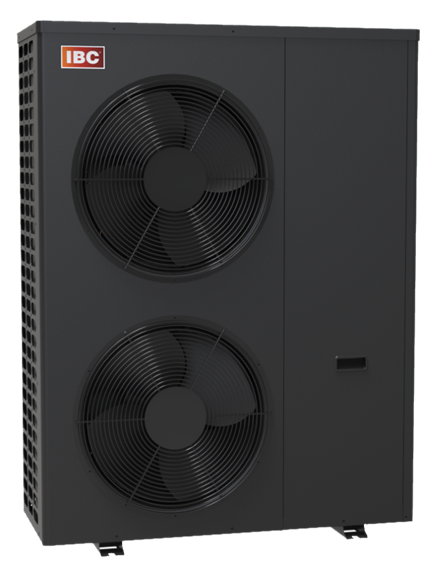
If you’ve been researching heating systems lately, you have probably come across the term air-to-water heat pump. It sounds technical, maybe even a little intimidating. In reality, the concept is straightforward. The technology is smart, efficient, and when it is properly designed and installed, it can be an excellent heating solution for the right home.
At David Brown Heating and Air Conditioning, we focus on systems that make sense long term. We are not interested in trends for the sake of trends. We look at performance, reliability, serviceability, and whether a system will truly deliver value in our climate. The IBC HPX air-to-water heat pump checks a lot of those boxes.
Let’s walk through what it is, how it works, and when it makes sense.
What Is an Air to Water Heat Pump?
An air-to-water heat pump extracts heat from the outdoor air and transfers that heat into water. That heated water is then distributed throughout the home to provide space heating and, in some configurations, domestic hot water.
This is different from the more common air-to-air heat pump, which transfers heat into air and distributes it through ductwork. In an air-to-water system, water becomes the delivery medium. Heated water can flow through radiant floor tubing, fan coil units, low-temperature baseboards, or other hydronic components.
Water is extremely effective at carrying heat. That is why boilers have been used for generations. An air-to-water heat pump simply replaces the combustion-based heat source with an electrically driven heat transfer system.
The result is a highly efficient way to heat a home without burning fuel on site.

Why Air-to-Water Systems Are Gaining Attention
There are a few key reasons homeowners are taking a closer look at air-to-water technology.
Energy efficiency is a major one. A heat pump does not create heat in the traditional sense. It moves heat from one place to another. Because of that, it can deliver more heat energy than the electrical energy it consumes. That efficiency can translate into lower operating costs when the system is properly designed.
Fuel costs are another factor. As natural gas, oil, and propane prices fluctuate, many homeowners are looking for alternatives that reduce dependence on combustion-based heating.
There is also a growing interest in electrification. An air-to-water heat pump fits into that shift while still providing the comfort and performance people expect from hydronic heating.
The IBC HPX Series
IBC is a Canadian manufacturer, and that matters. Equipment designed and engineered for Canadian winters tends to perform better when temperatures drop.
The HPX line is IBC’s air-to-water heat pump offering. What stands out to us is its cold-climate capability and its ability to integrate cleanly with hydronic systems. It is built to operate in low outdoor temperatures and continue delivering usable heat when many older heat pump designs would struggle.
The HPX is designed to work with radiant floor systems, fan coils, and combination setups. It can also be integrated with backup heat sources where appropriate. That flexibility makes it suitable for a variety of applications, particularly in new construction and larger renovation projects.
Not every air-to-water heat pump on the market is built for sustained cold-weather performance. The HPX is specifically engineered with that reality in mind.
How an Air-to-Water Heat Pump Heats Your Home
In a typical setup, the outdoor unit extracts heat from the air and transfers it to a refrigerant inside the system. That heat is then transferred into water through a heat exchanger. The heated water is circulated through the home’s hydronic distribution system.
If you have radiant floor heating, the warm water flows through tubing embedded in the floors. This provides even, consistent heat that rises gently from the floor upward. Many homeowners appreciate the comfort of radiant heat because it avoids the temperature swings often associated with forced air systems.
In homes without radiant floors, the system can feed hydronic air handlers or fan coil units. These units use warm water to heat air, which is then distributed into the living space. The system can also be configured to assist with domestic hot water production, depending on the overall design.
Every installation is different. That is why system design and load calculations are so important. An air-to-water heat pump is not a plug-and-play appliance. It must be engineered around the home.

Is an Air-to-Water Heat Pump Right for Every Home?
The honest answer is no.
An air-to-water heat pump performs best when it is part of a thoughtfully designed hydronic system. It is particularly well-suited to new builds, major renovations, and homes that already use radiant heating or other water-based distribution systems.
If a home currently relies on a conventional forced-air furnace and there are no plans to modify the distribution system, other solutions may be more practical.
We evaluate each project individually. We look at the home’s heat loss, the existing infrastructure, the homeowner’s goals, and the long-term operating considerations. If an air to water heat pump makes sense, we will explain why. If it does not, we will say that as well.
There is no benefit in recommending a system that is not the right fit.

Cold Weather Performance
One of the most common questions we hear is whether an air-to-water heat pump can handle real winter conditions.
Modern cold-climate heat pumps, including the IBC HPX, are engineered to continue operating at low outdoor temperatures. They are designed with enhanced compressors and control strategies that allow them to extract heat even when it feels very cold outside.
That said, system design still matters. In some applications, we may incorporate supplemental or backup heat. This is not an indication of weakness. It is simply good engineering practice in certain scenarios, particularly in larger homes or areas with extreme winter conditions.
The goal is consistent, reliable comfort.

Key Benefits of the IBC HPX Air to Water Heat Pump
When properly installed, an air-to-water heat pump offers several meaningful advantages.
First, it delivers high efficiency. By moving heat rather than generating it through combustion, the system can achieve strong performance relative to its energy input.
Second, it provides steady and even comfort. Hydronic systems are known for maintaining consistent indoor temperatures without the rapid cycling common in some forced-air systems.
Third, there is no on-site combustion. That eliminates concerns about flue gases and carbon monoxide from a burner in the home.
Finally, it positions the home for long-term energy trends. As electrical grids continue to evolve and efficiency standards increase, high-performance heat pump systems are likely to play a larger role in residential heating.
Installation and Design Considerations
The success of any air-to-water heat pump installation depends heavily on design and commissioning.
Proper heat-loss calculations must be performed to ensure the system is correctly sized. Oversizing or undersizing can lead to performance issues and reduced efficiency. The hydronic distribution system must be compatible with the heat pump’s operating temperatures. In some cases, buffer tanks or additional control components are required to ensure smooth operation.
Commissioning is equally important. Controls need to be set up correctly. Flow rates must be verified. The system should be tested under different operating conditions to confirm it is performing as expected.
This is not an area where shortcuts pay off. When installed and configured properly, the system performs reliably and efficiently. When rushed or improperly designed, issues can arise that are entirely avoidable.
Why We Recommend the IBC HPX
We evaluate equipment based on build quality, performance data, service support, and long-term reliability.
The IBC HPX air-to-water heat pump stands out for its engineering for cold climates, its integration with hydronic systems, and its manufacturer’s strong reputation in the boiler and hydronic space.
It is not about chasing the newest technology. It is about selecting equipment that is well built, thoughtfully engineered, and supported by a company that understands our environment.
That combination is important.
A Straightforward Conversation About Your Home
If you are building a new home, planning a major renovation, or replacing an aging boiler, an air-to-water heat pump is worth considering. It can provide efficient, comfortable heating with long-term value when it is the right fit.
At David Brown Heating and Air Conditioning, we approach every project with the same mindset. We assess the home carefully, explain the options clearly, and recommend solutions based on performance and practicality.
If you would like to explore whether the IBC HPX air-to-water heat pump makes sense for your property, we would be happy to review your setup and provide straightforward guidance. No pressure and no unnecessary upselling, just a clear explanation of what will work best for your home.