
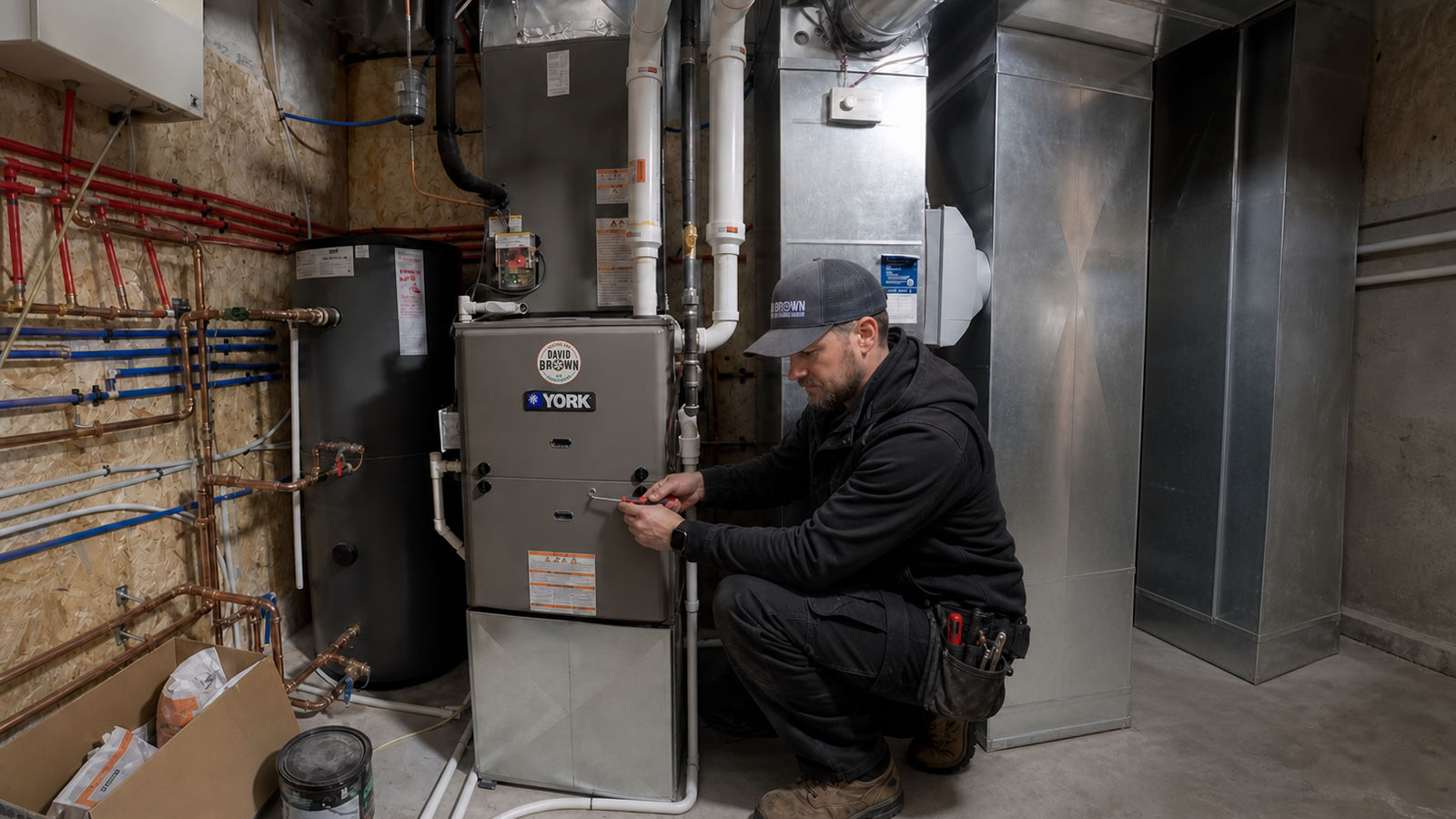
Replacing a furnace is a big decision, and naturally, one of the first questions homeowners ask is, “How much is this going to cost?”
The new furnace cost in Ontario can vary quite a bit from one home to another. That’s because you’re not simply buying a furnace in a box—the final price also reflects the work required to properly size, connect, vent, test, and safely install the system in your home.
Let’s look at what goes into the price so you know what to expect when it is time to request a quote.
What Is the Average New Furnace Cost in Ontario?
For many Ontario homeowners, the new furnace cost will land between $5,000 and $7,000, although every home is different. Your price will depend on the furnace you choose, the size of your home, and how much work is required during installation.
Be careful when comparing an advertised furnace price with a complete installed quote. A low advertised price may cover the equipment but leave out labour, removal of the old furnace, duct transitions, venting changes, permits, or other necessary work.
When reviewing quotes, make sure you are comparing the same things. Ask what is included, what is not included, and whether there are any situations that could lead to additional charges. A clear, itemised quote makes it much easier to understand the true new furnace cost for your home.
Furnace Size Matters
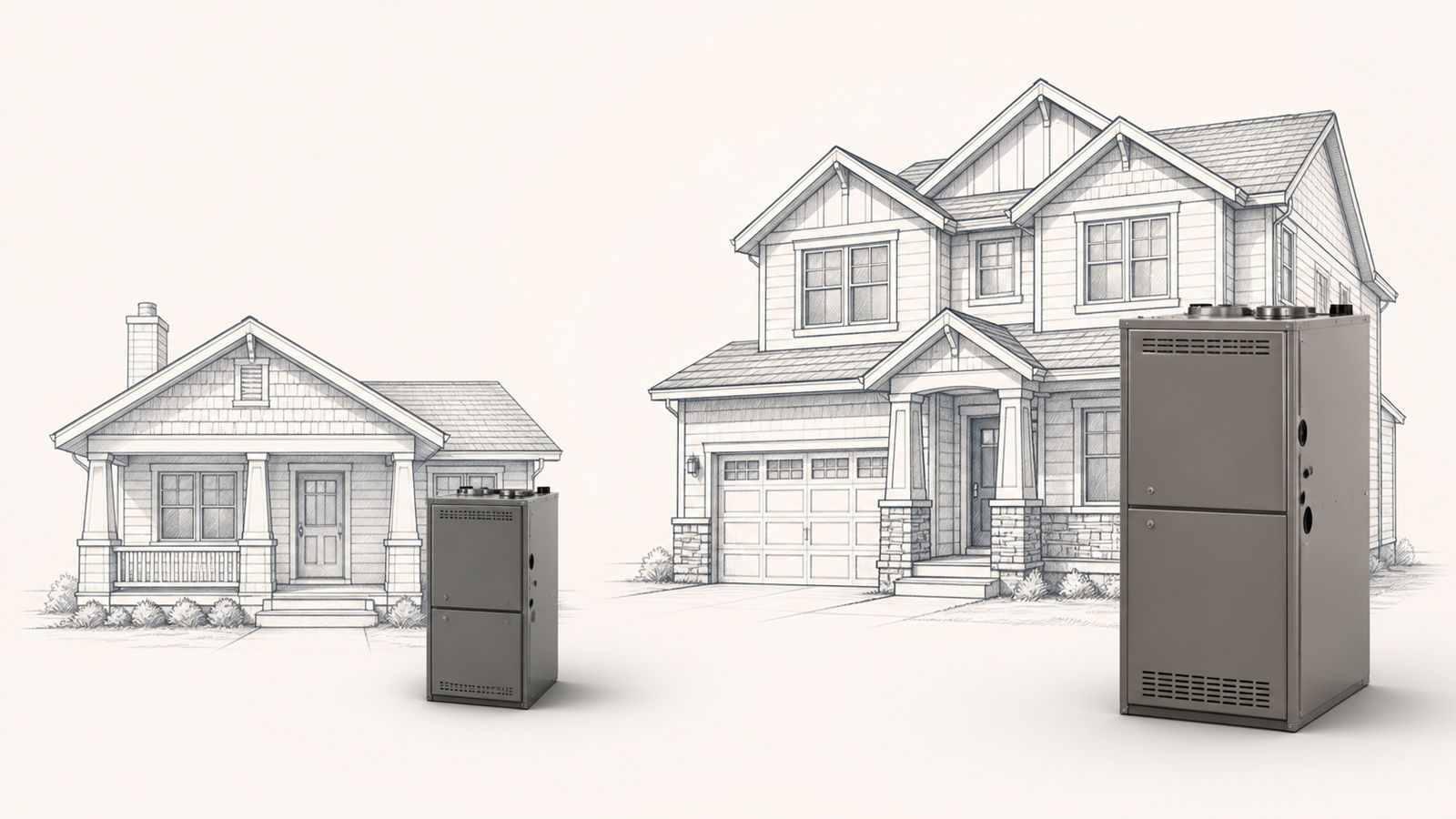
Furnaces are sized according to their heating capacity, which is measured in British thermal units, or BTUs. In general, a larger home needs more heating capacity than a smaller one, but square footage is only part of the picture.
Insulation levels, ceiling height, window quality, air leakage, layout, and the amount of sun your home receives can all affect how much heat you need. That is why choosing a furnace based only on the size of your old unit is not always the best approach.
A larger furnace generally costs more, but bigger is not necessarily better. An oversized furnace can heat the house too quickly, shut off, and then start again a short time later. This frequent cycling may create uneven temperatures, waste energy, and add wear to the equipment. An undersized furnace may run constantly and still struggle on the coldest days.
Proper sizing helps control the new furnace cost while giving you better comfort and reliable performance.
Efficiency and Comfort Features Affect the Price
The efficiency of a furnace is shown by its annual fuel utilization efficiency, or AFUE, rating. A higher AFUE rating means more of the fuel is turned into usable heat for your home.
Higher-efficiency furnaces usually cost more upfront, but they can use less fuel over time. The right choice depends on your home, heating habits, budget, and how long you expect to stay in the property.
You will also have a choice between single-stage, two-stage, and modulating equipment. A basic single-stage furnace generally has the lowest purchase price. Two-stage and modulating models can adjust their heat output, helping the home maintain a steadier temperature.
Variable-speed blower motors can also improve airflow, reduce operating noise, and help the furnace use less electricity. These upgrades raise the new furnace cost, but many homeowners feel the improvement in comfort is worth it.
Installation Is Not the Same in Every Home
A straightforward replacement usually means removing the old furnace and installing a similar new model in the same location. When the existing connections and surrounding systems are in good condition, the job is generally simpler.
Other installations require more work. The crew may need to change gas piping, update electrical connections, install a new condensate drain, adjust sheet metal, or replace the thermostat. A furnace tucked into a tight crawl space or crowded mechanical room can also take longer to remove and install.
Even getting the equipment into the house can affect the amount of labour involved. Narrow stairways, finished basements, and limited access all add complexity. The more time, materials, and custom work required, the more they can influence the new furnace cost.
Will the Ductwork Need to Be Changed?
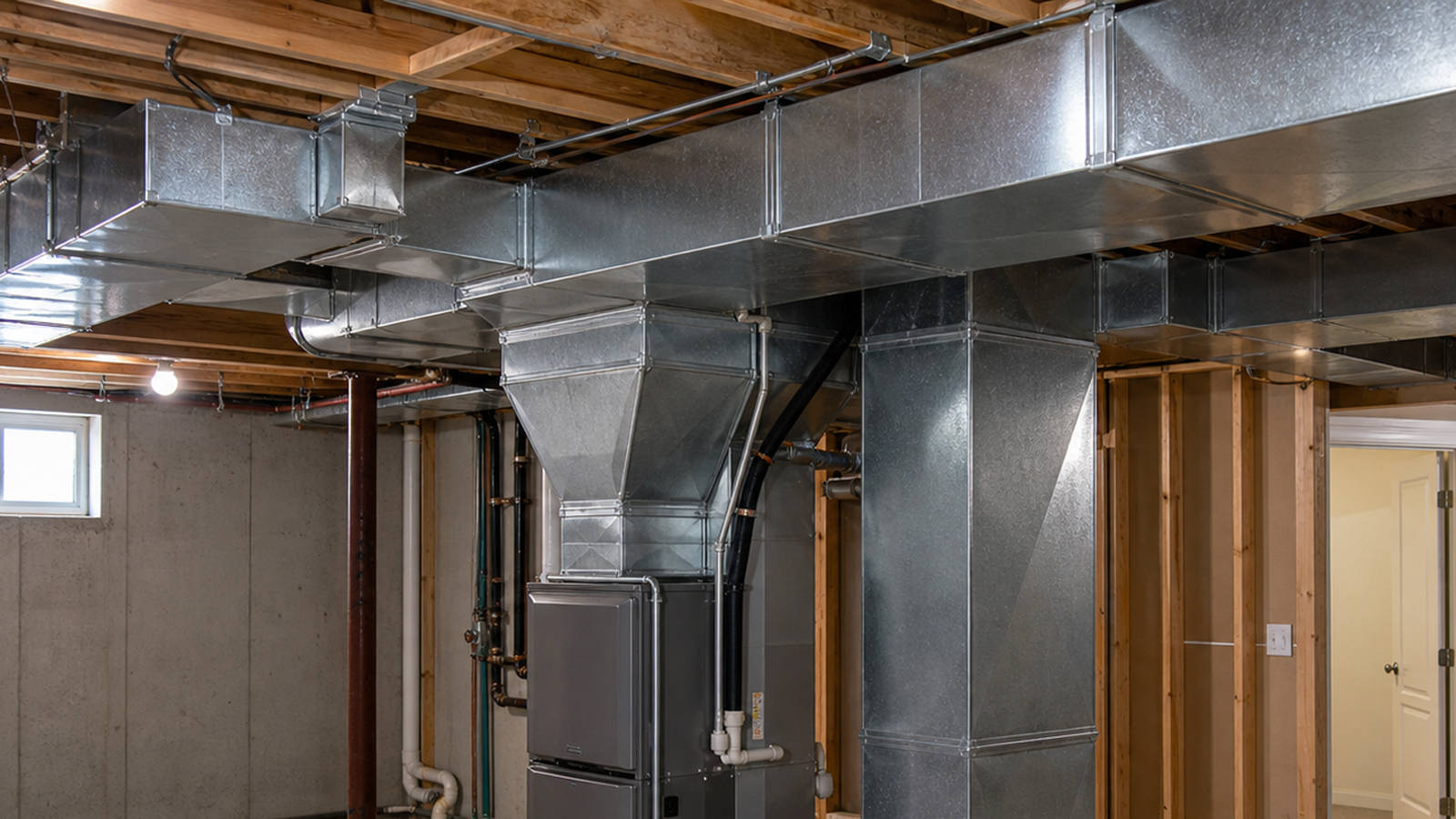
In many homes, the existing ductwork can continue to be used. However, some modifications are common because the new furnace may not have the same dimensions or connection points as the old one.
An installer may need to build new sheet-metal transitions between the furnace and the main ducts. They may also find undersized return ducts, air leaks, damaged sections, or airflow restrictions that should be corrected.
These changes can add to the initial furnace installation cost, but they are not just cosmetic extras. A new furnace can only perform properly if air can move through the home as intended. Correcting a duct problem may improve comfort, reduce noise, and help protect the new equipment.
Venting Can Make a Big Difference
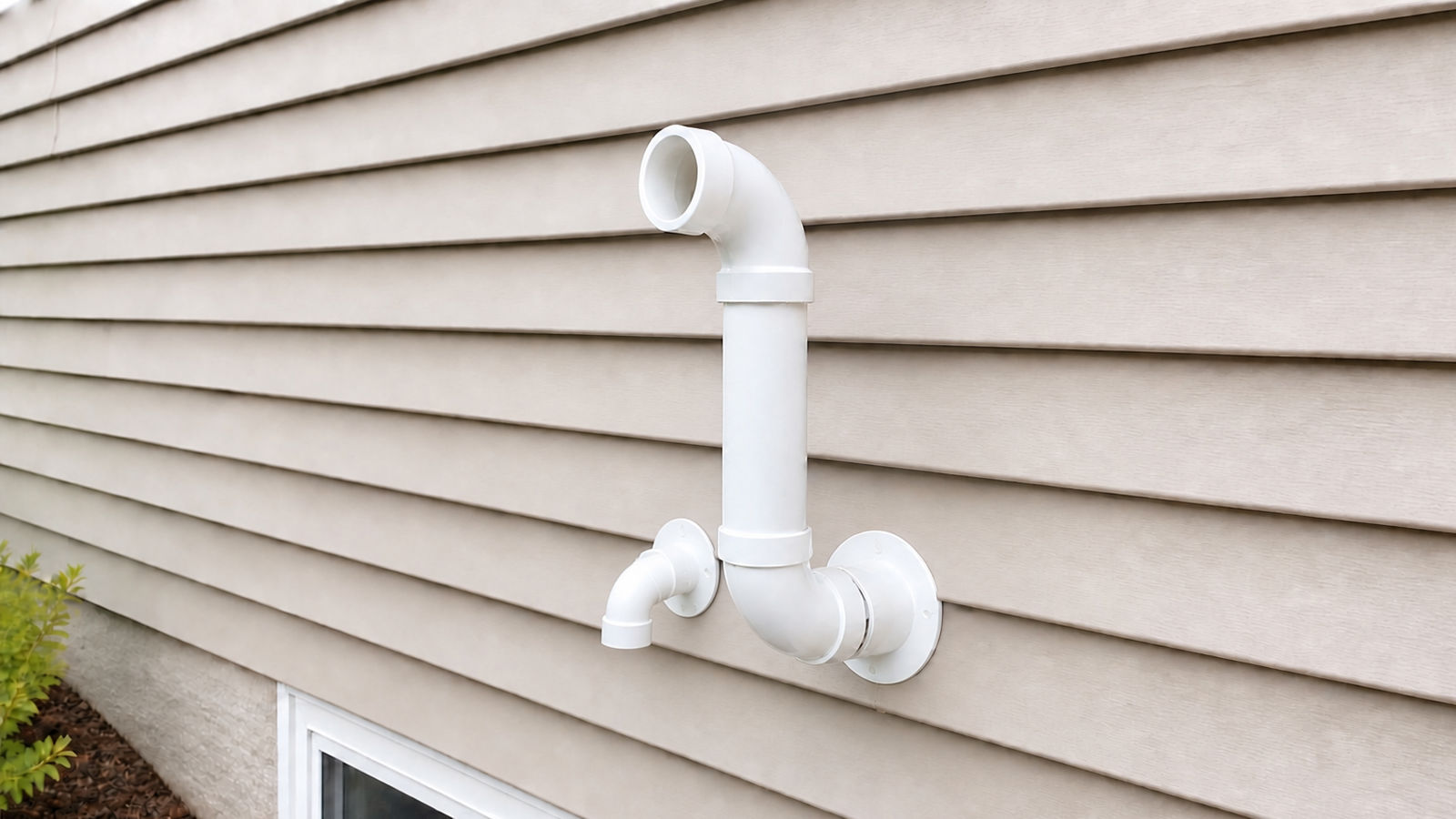
Many older furnaces vent through a metal chimney. Modern high-efficiency furnaces usually use plastic intake and exhaust pipes that run through an exterior wall or roof.
If your home already has suitable high-efficiency venting, those pipes may be reusable after they are inspected. If not, new venting will need to be installed. The route, pipe length, exterior termination location, and required clearances can all affect the amount of work involved.
The installer must also provide a way to handle the condensation produced by a high-efficiency furnace. If a drain is not nearby, an additional pump or drain arrangement may be needed. Venting and drainage changes are two reasons the new furnace cost can vary between homes that appear similar.
Older Homes May Need Extra Work
Replacing a furnace in an older home can uncover issues that were acceptable years ago but no longer meet current requirements.
The gas line may need to be changed. Electrical wiring or shutoffs may need updating. An old chimney could require attention, and materials around the furnace may need to be checked for asbestos before they are disturbed.
The new system must also work properly with existing equipment, including the air conditioner, humidifier, air cleaner, and thermostat. These details are not always visible during a quick phone conversation, which is why an in-home assessment is so important.
Finding these issues before installation gives you a more accurate new furnace cost and helps prevent unpleasant surprises once work begins.
What Should Your Furnace Quote Include?
A proper quote should clearly identify the furnace model, heating capacity, efficiency rating, and warranty. It should also explain what is included for labour, removal and disposal of the old unit, duct transitions, venting, drainage, controls, permits, testing, and applicable taxes.
Ask whether the furnace will be commissioned after installation. Commissioning means checking items such as gas pressure, temperature rise, airflow, drainage, and safe operation. It is an important step that confirms the furnace is working as designed.
Price matters, but the lowest number is not automatically the best value. Correct sizing, careful installation, clear warranty coverage, and dependable support all matter after the crew leaves.
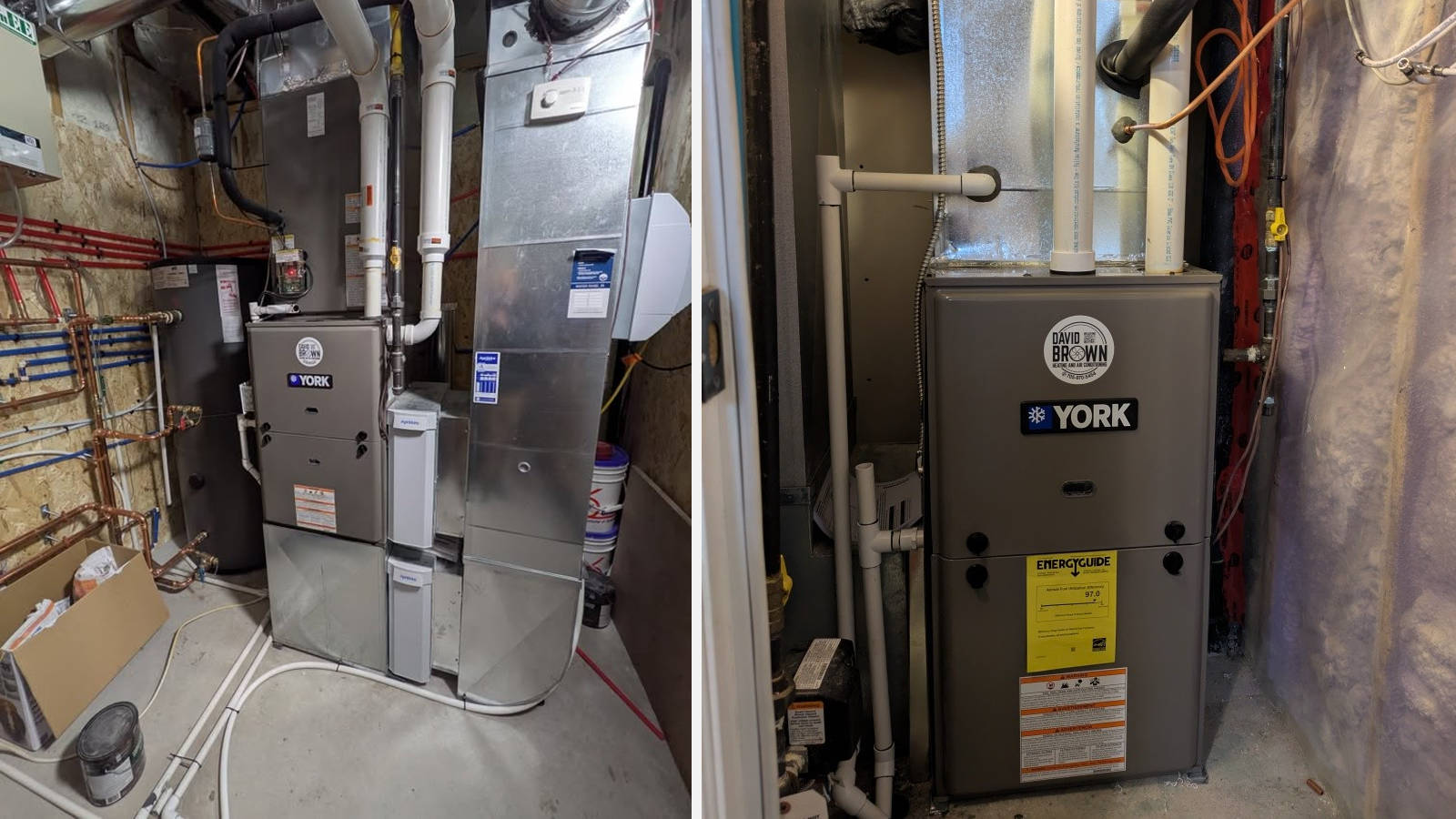
Get a Price Based on Your Home
Online price ranges are helpful when you are planning a budget, but they cannot account for everything happening inside your home.
The most reliable way to determine your new furnace cost is to have the existing system, ductwork, venting, and installation area inspected. That gives you a chance to discuss efficiency options, comfort features, and any necessary upgrades before making a decision.
A well-chosen furnace, installed properly, should keep your home comfortable through many Ontario winters. Take the time to ask questions, review the full quote, and choose the system that makes sense for your home—not simply the one with the lowest price tag.
Ready for a Furnace Replacement Quote?
Every home is different, so the best way to understand your new furnace cost is to have your current system and installation area properly assessed. Contact Dave Brown Heating & Cooling today to schedule an in-home evaluation and get a clear, detailed quote based on what your home actually needs.