

There’s a very specific kind of heat that shows up in Southern Ontario every summer.
It’s not just hot, it’s heavy. The kind of air that feels like it’s sitting on your shoulders. You walk into your house expecting relief, but instead, it still feels… sticky. Even though the air conditioner is running.
So naturally, the thermostat gets turned down a little more. Then a little more.
And somehow, the house gets colder, but not more comfortable.
If that sounds familiar, you’re not alone. And more importantly, it’s not something you just have to live with.
Most people think their air conditioner’s only job is to cool the air. But in our climate, that’s only part of the story. The real work your system is doing, or at least should be doing, is removing moisture from the air.
That’s what proper AC humidity control is designed to do in Ontario homes, especially during those humid July and August stretches. And when humidity control systems aren’t performing the way they should, comfort is usually the first thing to go.
What Your AC Is Really Doing Behind the Scenes
Your air conditioner isn’t just pushing cold air around your home.
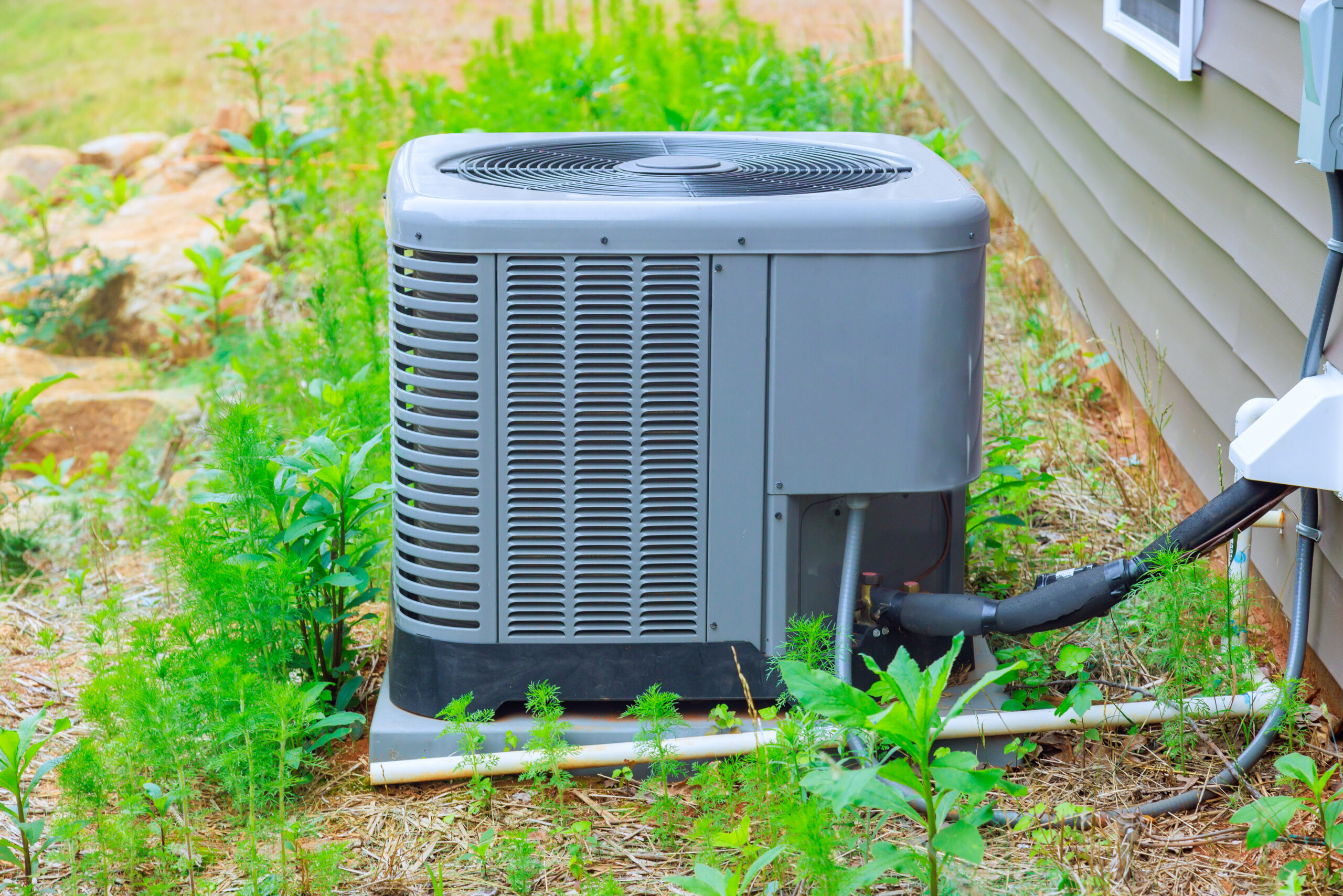
As warm indoor air passes over the cold evaporator coil inside your system, moisture in that air condenses into water, collects, and drains away. That process is what we’re talking about when we refer to air conditioner dehumidifying.
This is the foundation of AC humidity control that homeowners depend on every summer.
And here’s the key part: when humidity is removed from the air, your home doesn’t just feel cooler; it actually becomes more comfortable, even at higher temperatures.
That’s why two homes set to the same temperature can feel completely different. One feels crisp and comfortable. The other feels damp and heavy.
In a place like Southern Ontario, where humidity is part of daily life in the summer, strong AC humidity control performance isn’t optional; it’s essential.

Why Humidity Changes Everything
Temperature is only half the equation when it comes to comfort.
Humidity plays a huge role in how your body experiences heat. High moisture levels make it harder to cool down, which is why even a mild day can feel overwhelming.
Inside your home, excess humidity can lead to:
- That “sticky” feeling that never quite goes away
- Poor sleep, especially overnight
- Musty smells in certain areas
- A general sense that the air just feels off
This is exactly why AC humidity control need to be dialed in properly. When your system is removing moisture effectively, you don’t need to keep lowering the temperature just to feel comfortable.
The Big One: AC Short Cycling
One of the most common issues affecting AC humidity control that homeowners deal with is something called short cycling.
This is when your AC turns on, cools the space quickly, and shuts off before completing a full cycle.
On the surface, it can seem like everything is working fine. The house cools down quickly, the system shuts off, and it feels efficient.
But dehumidifying takes time.
When your system shuts off too soon, it doesn’t stay on long enough to remove moisture from the air. So while the temperature drops, the humidity stays behind.
There are a few common AC short cycling causes, including:
- An oversized air conditioning unit
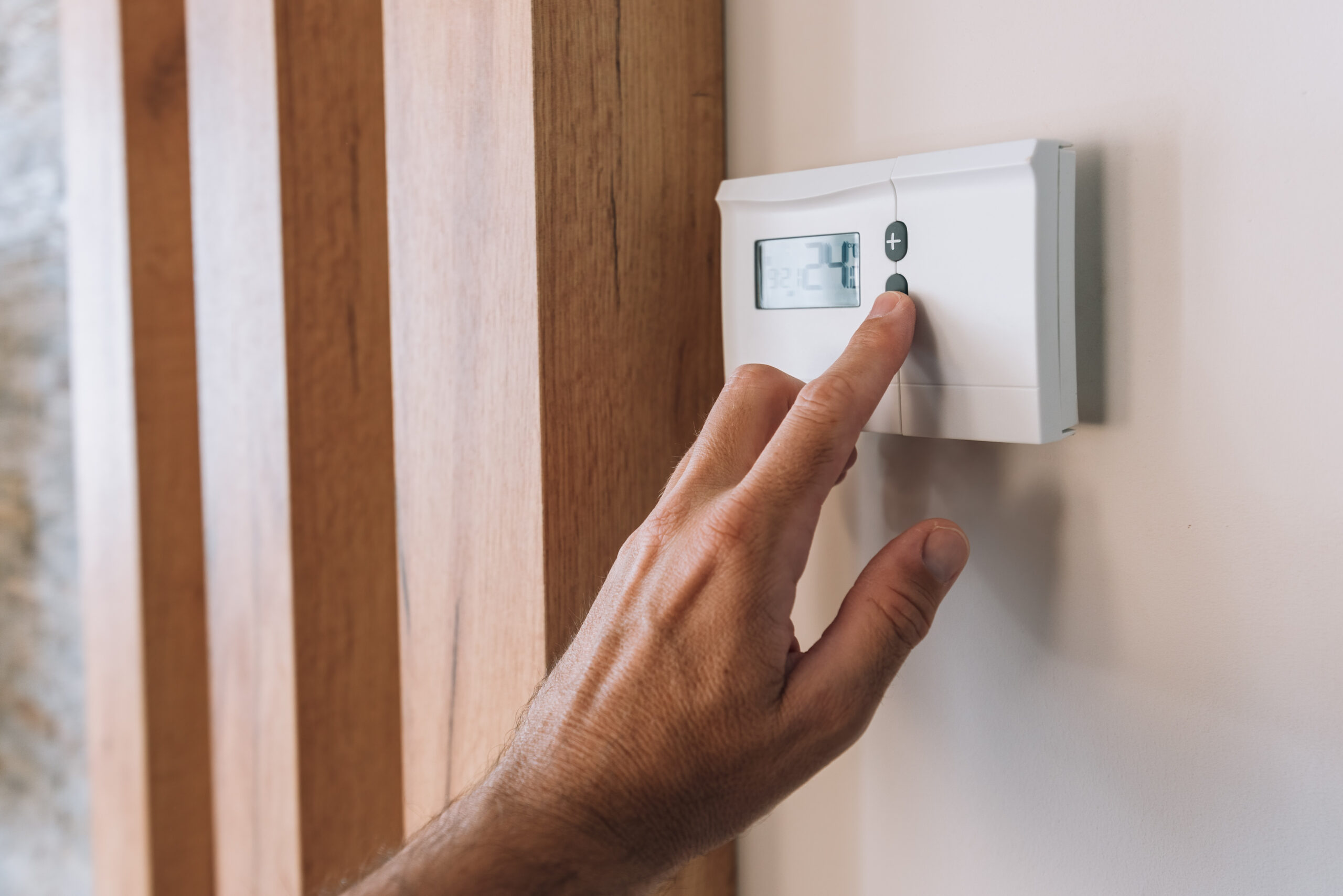
- Thermostat placement or calibration issues
- Aging or improperly configured equipment
When short cycling happens, it directly impacts AC humidity control performance, often leaving homes feeling cool but still uncomfortable.
Signs Your AC Isn’t Handling Humidity Properly
A lot of homeowners assume humidity issues are just part of summer. But your system should be handling that for you.
Here are a few signs your air conditioner dehumidifying function may not be keeping up:
- The house feels clammy, even when it’s cool
- You’re constantly adjusting the thermostat
- Windows feel damp or slightly foggy
- There’s a mild musty smell in certain rooms
- Your AC turns on and off frequently
These are all early indicators that your AC humidity control setup may not be working as effectively as it could.
Why Bigger Isn’t Always Better
It’s a common belief that a bigger system will cool your home faster and better.
But when it comes to AC humidity control, bigger isn’t always better.
An oversized unit cools your home very quickly, which means it shuts off before it has time to remove enough moisture from the air.
That leads to shorter run cycles, less effective air conditioner dehumidifying, and a home that feels cold but still damp.
Proper sizing allows your system to run longer, steadier cycles, which is exactly what’s needed for strong AC humidity control performance.
Where Maintenance Makes a Big Difference
Even the right system can struggle if it’s not maintained properly.
That’s where the regular HVAC maintenance that Simcoe County homeowners schedule really comes into play.
Over time:
- Coils collect dust and lose efficiency
- Drain lines can clog
- Refrigerant levels can drop
All of these affect how well your system removes moisture.
When maintenance is kept up, your system can maintain consistent AC humidity control performance, even during the most humid parts of the summer.
When an Upgrade Starts to Make Sense
If you’ve been dealing with humidity issues year after year, your system might be due for an upgrade.
Modern systems are designed with better air conditioner dehumidifying capabilities, allowing them to run longer, more controlled cycles that improve overall comfort.
For homeowners focused on improving AC humidity control, upgrading to a properly sized, high-efficiency system can make a noticeable difference.
A Few Simple Ways to Improve Comfort Right Now
If your home has been feeling a bit off, a few small changes can help support better AC humidity control:
- Keep your thermostat consistent instead of constantly adjusting it
- Replace your air filter regularly
- Make sure vents are open and unobstructed
- Avoid setting the temperature too low
These simple steps can help your system perform more effectively while you address any underlying issues.
Comfort Should Feel Effortless
When everything is working properly, your home should feel naturally comfortable without constant adjustments.
That’s what strong AC humidity control really delivers. Not just cooler air, but air that feels balanced, dry, and easy to live in.
When humidity is managed properly, the temperature feels right without pushing your system harder than necessary.
If Your Home Feels Cool but Not Comfortable, It’s Worth a Second Look
If your home has that cool-but-clammy feeling, there’s usually something behind it.
A quick system check, routine HVAC maintenance in Simcoe County, or a conversation about system sizing can often uncover what’s going on.
And once your AC humidity control is working the way it should, the difference is something you’ll notice right away.